
Rehabilitation
ICBC Active Rehab in Langley
Being in a car accident can affect your body long after the initial impact. At Kenaz Training, our ICBC Active Rehab program helps you restore mobility, reduce pain, rebuild strength, and return safely to work, daily activity, and sport.
We provide ICBC-approved rehabilitation with direct billing, so you focus on recovery, not paperwork.
Why ICBC Active Rehab Matters
A motor-vehicle accident can affect multiple areas of your body. Without proper active rehab, many people experience lingering issues like stiffness, reduced mobility, weakness, flare-ups, or difficulty returning to normal activity.
Our goal is simple: help you recover fully, safely, and confidently, not just manage symptoms.
Why Choose Kenaz for ICBC Active Rehab
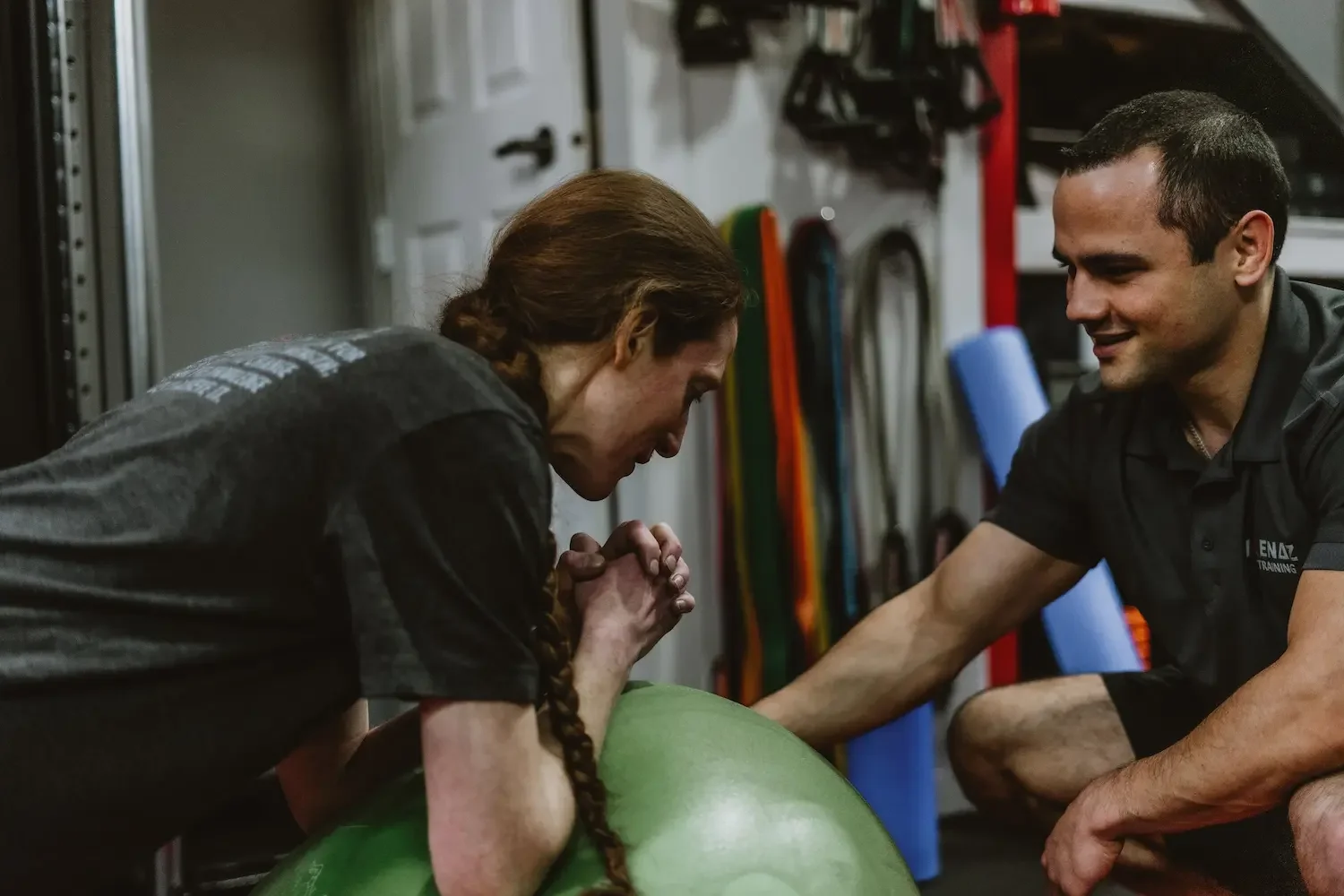
You’ll work with a certified team that specializes in post-accident recovery, corrective movement, and safe return to daily activity. Every session is one-on-one and tailored to your injury, claim status, and recovery pace, never generic.
Certified Team
Kinesiologists • Strength Coaches • Rehab Specialists
10+ Years Experience
Training, Rehab & Active Recovery
★★★★★
200+ 5-Star Google Reviews
One-on-One Care
Fully guided sessions, never rushed, never cookie-cutter
ICBC Coverage (Included for You)
12 Active Rehab sessions in the first 12 weeks
No doctor’s referral required (though recommended)
Direct billing, no upfront cost
If more sessions are needed, we help coordinate continued coverage and communicate with your adjuster.
We focus on rebuilding movement and strength in a way that’s safe, supportive, and proven to work for ICBC clients.
Common Post-Accident Issues We Help With
Our kinesiologists regularly work with clients recovering from:
neck, back, or shoulder pain
whiplash
joint or soft-tissue injuries
reduced mobility after impact
nerve irritation or numbness
work-related limitations following an accident
compensations from guarding or stiffness
return-to-sport or return-to-work needs
If it affects how you move or feel after a car accident, we support your recovery.
Why These Issues Happen After a Car Accident
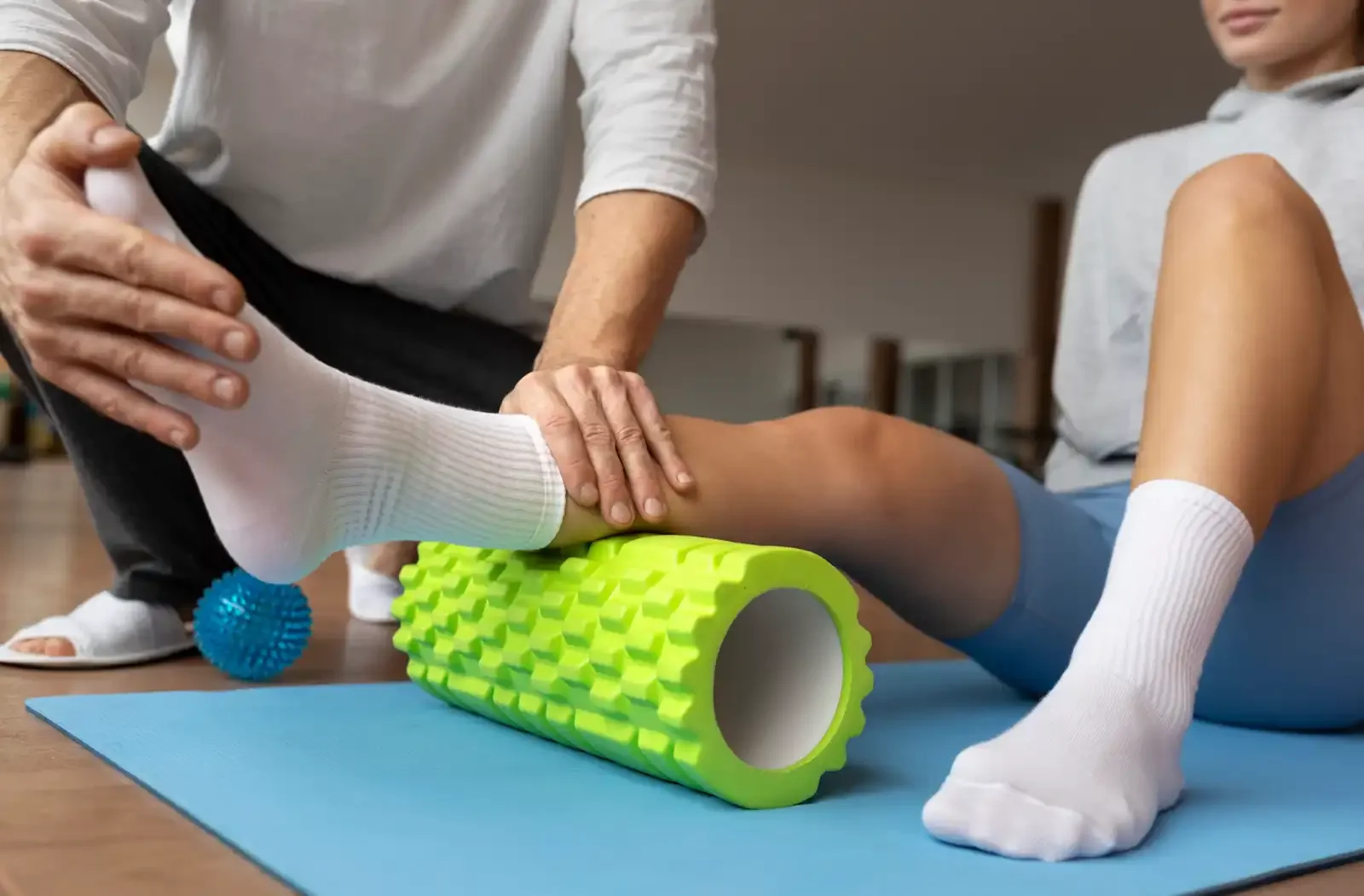
Post-collision pain often comes from inflammation, soft-tissue trauma, protective muscle guarding, reduced joint mobility, imbalances, and fear of movement. Many people also return to activity too soon, which prolongs symptoms.
We guide your body back to proper mechanics, strength, and pain-free movement.
How Our ICBC Active Rehab Services Work
Our approach to ICBC Active Rehab is both comprehensive and personalized. We understand the physical and emotional toll that a car accident can have, and we aim to ease your concerns by focusing on your recovery.

Personalized Assessment
Every ICBC Active Rehab program starts with a one-on-one movement assessment (including SFMA).
We look at how you move, where mobility is limited, what muscles are over- or under-active, and what daily or work demands affect your recovery.
This gives us a clear picture of what needs to be rebuilt, stabilized, or corrected.

ICBC-Covered Active Rehab
ICBC automatically approves 12 Active Rehab sessions in the first 12 weeks after an accident.
No doctor’s referral is required (though recommended).
We help you get started quickly and handle all direct billing, so you can focus fully on healing.

Safe, Research-Backed Programming
Your rehabilitation plan is built using proven kinesiology and movement science, with safe progressions, targeted strength rebuilding, and mobility work that supports your recovery without flare-ups.
Every program is paced appropriately for your body and injury.

Supportive One-on-One Recovery
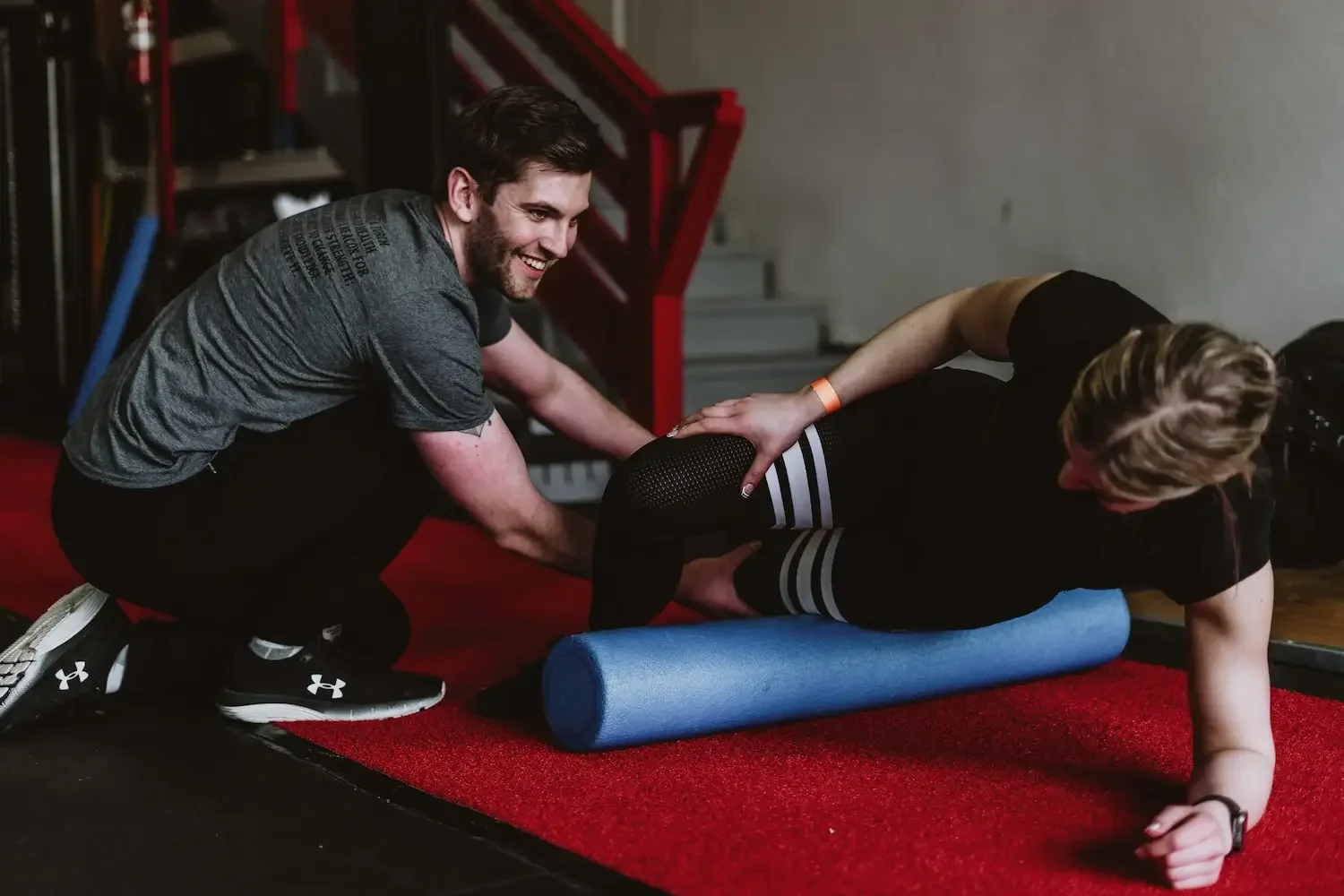
You’ll work directly with certified kinesiologists who guide every session.
We help you reduce pain, restore confidence in movement, and return to daily life, work, and sport safely.
You’re supported throughout the entire process, never rushed, never left guessing what to do next.
What To Expect From ICBC Active Rehab At Kenaz Training
You’ll receive a complete initial assessment, a structured treatment plan, and regular program adjustments as you improve.
We also connect you with multidisciplinary care when needed:
Kinesiology
Physiotherapy
Chiropractic Care
Massage Therapy
Acupuncture
Intramuscular Stimulation (IMS)
Active Release Technique (ART)
We create a well-rounded recovery experience tailored to your body and goals.
Direct Billing For Your Convenience
At Kenaz Training, we offer direct billing to ICBC only for approved Active Rehab services. There are no upfront costs for eligible sessions. Simply provide your ICBC claim number, and we’ll handle the billing so you can focus on your recovery.
Been In A Car Accident?
Kenaz Training is here to help you move better, feel better, and return confidently to daily life after an accident. We’ll verify your ICBC claim for you and get you into rehab this week, free consultation included.
Integrated Services That Support ICBC Active Rehab
Pain Relief Training
Reduce chronic or post-accident pain
Injury Rehabilitation
Structured recovery beyond ICBC
Performance Training
Return to work or sport safely
Nutrition Coaching
Support tissue healing & inflammation reduction
Proven Results Backed by 200+ Five-Star Reviews
Clients report less pain, better mobility, stronger movement patterns, easier daily activity, and faster return to normal life.
“I have been training with Jon for about eight months now and I love it! I feel a lot more confident, stronger, more endurance and recover quicker.“
— Sydney Malcolm
“Sheldon has been absolutely instrumental in my fitness journey. I’ve made consistent progress thanks to his guidance, and I couldn’t recommend him more highly.“
— Bryan Attrell
“I’ve been going to Kenaz Training for almost 5 years. I’ve had exceptional training & rehab with Marc. The staff are all incredibly dedicated to their clients.“
— Leisa C
“I trained with Nicole at Kenaz and had an amazing experience. Everyone I met at Kenaz was incredibly genuine and supportive — they truly made me feel cared for throughout my training journey. “
— Kelsey Mallar
“I highly recommend Jon Thompson to anyone seeking a dedicated and skilled personal trainer for youth strength development.“
— Flynn Yeo
ICBC Active Rehab Across British Columbia
Kenaz Training provides ICBC Active Rehab services throughout the Lower Mainland and Fraser Valley.
Choose your city below to view details for your area:
Main Office Location
Address: 9295 198 St Unit 109, Langley Twp, BC V1M 3J9
Hours: Open ⋅ Closes 8 p.m.
Phone: (778) 800-7015

Frequently Asked Questions
-
Active rehabilitation involves targeted exercises designed to restore flexibility, balance, and strength after an injury. It's an evidence-based treatment led by a kinesiologist to correct body mechanics and improve mobility, helping with joint injuries, soft tissue sprains, post-operative recovery, and more.
-
Yes, ICBC provides coverage for kinesiology, massage, athletic therapy, and physiotherapy under approved claims. If you have an open ICBC claim, we can directly bill ICBC for your treatments, allowing you to focus on your recovery.
-
Kinesiology services are often covered by ICBC for individuals with an open motor vehicle accident claim. While private insurance coverage may vary, many extended health plans in British Columbia do offer coverage. It's best to check with your insurance provider to understand your specific plan.
-
A work conditioning program is an intensive active rehabilitation program led by a kinesiologist. Designed to help individuals safely return to work, these programs typically involve sessions three to five days per week, each lasting one to three hours, focusing on improving strength and functional abilities required for your job.
-
While the British Columbia Medical Services Plan (MSP) covers some health services, physiotherapy is not typically fully covered. However, individuals with an open ICBC claim may receive coverage for physiotherapy, kinesiology, and other rehabilitation services. Consult with your healthcare provider and ICBC adjuster to understand your coverage.
-
Mental health services like psychotherapy or counseling are not generally covered under MSP unless provided in a hospital setting. For coverage of private practitioners, you may need to rely on extended health benefits or private insurance plans.
-
Kinesiology is the scientific study of human movement, encompassing various disciplines such as biomechanics and physiology. Active rehabilitation is a therapeutic approach that uses exercise and movement, often guided by a kinesiologist, to help individuals recover from injuries. Essentially, kinesiology provides the foundation for active rehab practices.
-
Active rehabilitation exercises may include:
Resisted Exercises: Strength training to increase muscle mass and improve daily function.
Suspension Therapy: Utilizing equipment like TRX to engage multiple muscle groups.
Hydrotherapy Exercises: Performing exercises in water to reduce impact on joints.
-
Active rehabilitation offers numerous benefits, including:
Decreased or eliminate pain
Reduced risk of future injuries
Improved cardiovascular health and muscular strength
Increased bone density
Enhanced energy levels and endurance
Boosted metabolism
Greater self-confidence and independence
-
The active rehab phase involves participating in exercises that promote mobility, strength, flexibility, and mental well-being. Guided by a kinesiologist, this phase is crucial for restoring function and preventing future injuries.
-
The three primary phases of rehabilitation are:
Phase 1 - Control Pain and Swelling: Immediate care to reduce discomfort and inflammation.
Phase 2 - Improve Range of Motion and Flexibility: Restoring movement through targeted exercises.
Phase 3 - Strengthen and Begin Proprioception/Balance Training: Building strength and improving balance to return to normal activities.
-
A rehabilitation program may include:
Physical Therapy: To improve strength, mobility, and fitness.
Recreational Therapy: Activities to enhance emotional well-being.
Speech-Language Therapy: Assistance with communication and swallowing.
Pain Management: Treatments to alleviate discomfort.